September 26, 2026
Volunteer as a Physiotherapist or Occupational Therapist in Nepal: The Complete 2027 Guide
Planning to volunteer as a physiotherapist or occupational therapist in Nepal? Learn about requirements, placements, costs, and what the experience is really like.
Introduction
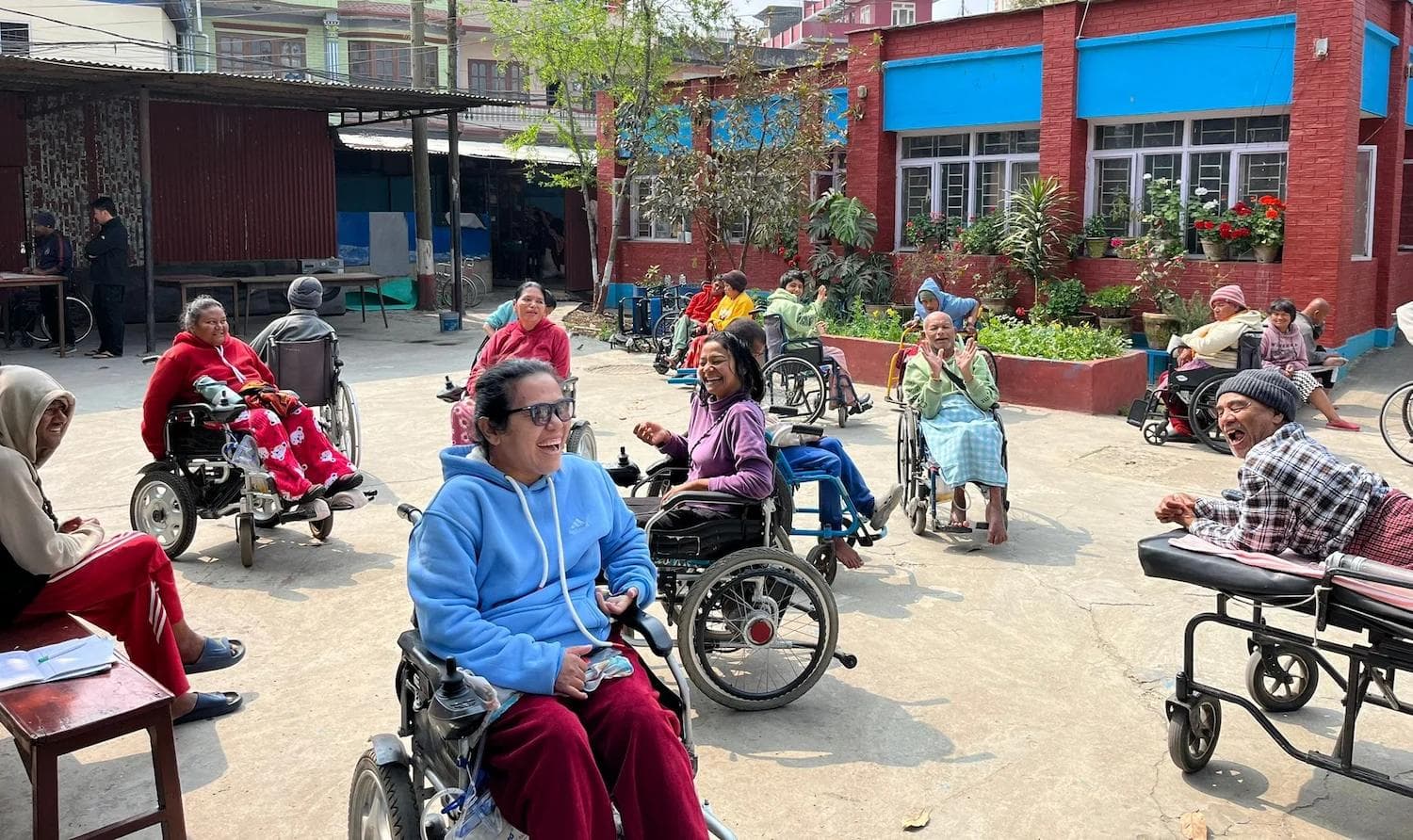
At the Khagendra New Life Home in Kathmandu, there is no physiotherapist on staff, and no occupational therapist either. The center simply can't afford to hire one. Its residents still need help to stay mobile, sit comfortably in their wheelchairs, and manage everyday tasks with more independence. Right now, much of that support depends on volunteers.
This is where you come in. If you're studying physiotherapy or occupational therapy, have recently graduated, or are a qualified therapist looking to use your skills somewhere they're truly needed, TravAction Nepal can place you at the center. You can volunteer as a physiotherapist or occupational therapist in Nepal and make a visible difference in a matter of weeks.
You won't be shadowing from the sidelines. You'll carry out assessments, run rehab and group exercise sessions, improve seating and positioning, and teach caregivers the routines that keep residents progressing after you leave. Along the way, you'll build clinical confidence, adaptability, and cross-cultural skills that no classroom can give you.
This guide explains who can volunteer, what the work involves, what a typical day looks like, and what it costs, so you can decide if this placement is right for you.
Why Nepal Needs Physiotherapy and Occupational Therapy Support
Nepal's need for rehabilitation is large, and the workforce to meet it is still growing. That's what makes skilled volunteers useful, as long as they come to support local services rather than replace them.
The rehabilitation gap in Nepal
Most physiotherapy departments sit in hospitals in the Kathmandu Valley, Pokhara, and a few other urban centers. Outside these areas, people often travel for hours to reach a therapist, or go without treatment altogether.
Occupational therapy faces an even bigger gap. The profession is still establishing itself in Nepal, so many patients who would benefit from OT, especially children with developmental conditions, never see one. Families often take on the role of carer with little guidance.
Common conditions you'll encounter
Volunteers in Nepal work with a wide range of cases, many of them more advanced than you'd see at home because treatment starts later. Expect to see:
- Stroke and other neurological conditions, often with long gaps between injury and rehabilitation
- Spinal cord injuries, frequently from falls, construction work, and road accidents
- Cerebral palsy and developmental delays in children
- Musculoskeletal injuries and chronic pain linked to heavy manual labour, carrying loads, and farming
- Fractures and post-surgical recovery
- Age-related mobility problems in older adults
- Long-term disability in people affected by the 2015 earthquake
Where volunteers genuinely add value
The most useful volunteers don't try to be the hero. They add capacity and share skills. In practice, that means:
- Filling a gap where there is no physiotherapist or OT on staff at all
- Working alongside the center’s medical staff and caregivers, who know the residents best
- Teaching caregivers how to continue exercises, positioning, and daily-living routines every day
- Designing simple exercise program that residents and staff can keep up without specialist equipment
- Training staff in safe manual handling and basic rehabilitation principles
If you want to see how rehabilitation fits alongside other healthcare placements, explore our guide to medical volunteering in Nepal.
Who Can Volunteer? Students, Graduates, and Qualified Therapists
You don't need years of experience to volunteer as a physiotherapist or occupational therapist in Nepal. What changes with your level is how much hands-on work you do and how closely you're supervised.
Physiotherapy and OT students
Students take part in assessments, group exercise sessions, and rehab programs, working alongside the center’s medical staff.
Many students use a Nepal placement as an elective or to build clinical hours. If that's your goal, check with your university before you apply. Some program needs a supervision agreement, a logbook, or a report from your placement supervisor.
Recent graduates
A placement between graduation and your first job is a strong way to build confidence. You'll take on real responsibility for residents' rehab program and learn to make clinical decisions with fewer resources than you trained with. It also gives you real stories to talk about in job interviews.
Qualified and experienced therapists
Registered therapists can contribute at a higher level. That might include leading assessments and treatment, training medical staff and caregivers, setting up a 24-hour postural management plan, or reviewing the center equipment. Because the center has no therapists of its own, the systems you leave behind matter a great deal.
Volunteer level
Patient contact
Supervision
Typical focus
Student
Assisting with assessments and rehab
Working with center medical staff
Learning, clinical exposure
Recent graduate
Treatment within your scope
Working with center medical staff
Building confidence and skills
Qualified therapist
Direct assessment and treatment
Independent, with center medical staff
Training staff, setting up program
What You'll Actually Do as a Volunteer
TravAction Nepal places physiotherapy and occupational therapy volunteers at the Khagendra New Life Home in Kathmandu. Here's what the placement looks like and what you'll be doing day to day.
Your placement: Khagendra New Life Home
The Khagendra New Life Home is a residential center in Kathmandu. The center cannot afford to hire a physiotherapist or occupational therapist, so residents rely on volunteers for this support. Volunteers work alongside the center regular medical staff. Residents need help in two areas: rehabilitation, and daily activities and recreation.
The center welcomes volunteers from a range of healthcare and social care backgrounds, so you'll often work alongside:
- Physiotherapists and occupational therapists
- Speech and language therapists
- Doctors
- Caregivers
- Educators
Because you're working with the same residents over several weeks, you can follow their progress closely and see the results of consistent care. If you're interested in other settings, explore our special needs education volunteering and elderly care volunteering programs.
A day in the life
Days start at 10 a.m., and the center is within walking distance of your homestay. A typical day might look like this:
- 10:00 a.m. Walk to the center and catch up with the medical staff on how residents are doing
- Late morning: Individual assessments and rehab sessions
- Lunch: Often dal-bhat, shared with staff
- Afternoon: Group exercise session, or checking and adjusting wheelchairs and seating
- Later afternoon: Caregiver training on positioning, transfers, and exercise routines, then notes and planning for the next day
Placements usually run Monday to Friday, which leaves weekends free for rest and travel.
Physiotherapy-specific tasks
Physiotherapy volunteers at the Khagendra New Life Home help with:
- Assessments across musculoskeletal, neurological, and cardiorespiratory presentations
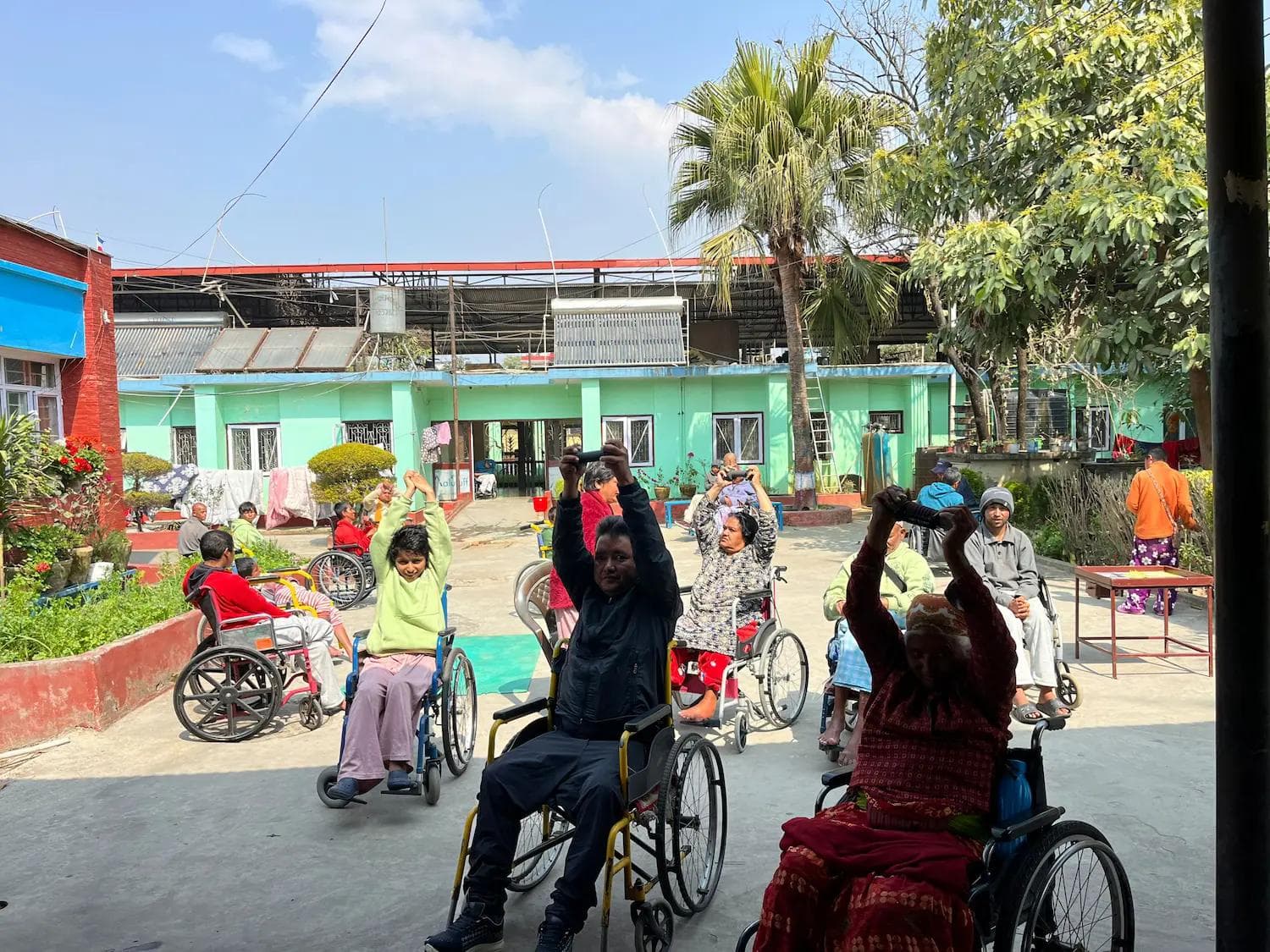
- Group exercise and individual rehab program, designed and delivered with residents
- 24-hour postural management, so residents are well supported in bed, in chairs, and during the day
- Manual therapy, such as passive mobilization to maintain joint range of motion
- Gait re-education and functional retraining, including designing suitable mobility aids, to encourage independence
- Staff education on ongoing physiotherapy management, so progress continues after you leave
- Health literacy and manual handling training, teaching staff about common pathologies and safe handling techniques
Occupational therapy-specific tasks
Occupational therapy volunteers focus on independence, comfort, and positioning:
- Designing assistive devices and adaptive equipment that suit each resident's needs
- Wheelchair skills training, teaching residents to use manual and electric wheelchairs, alongside functional upper-limb strengthening
- Assessing positioning in bed and in wheelchairs, identifying pain or injury and putting the right devices and strategies in place
- Improving wheelchair seating with cushions and backrest and seat support for comfort and posture
- Reviewing current equipment to check that wheelchairs and cushions are working properly
- Upper-limb rehabilitation and strengthening exercises
- Gait re-education with residents who are working on walking
- Caregiver education on correct positioning, transfer assistance, and rehabilitation principles, so good habits continue every day
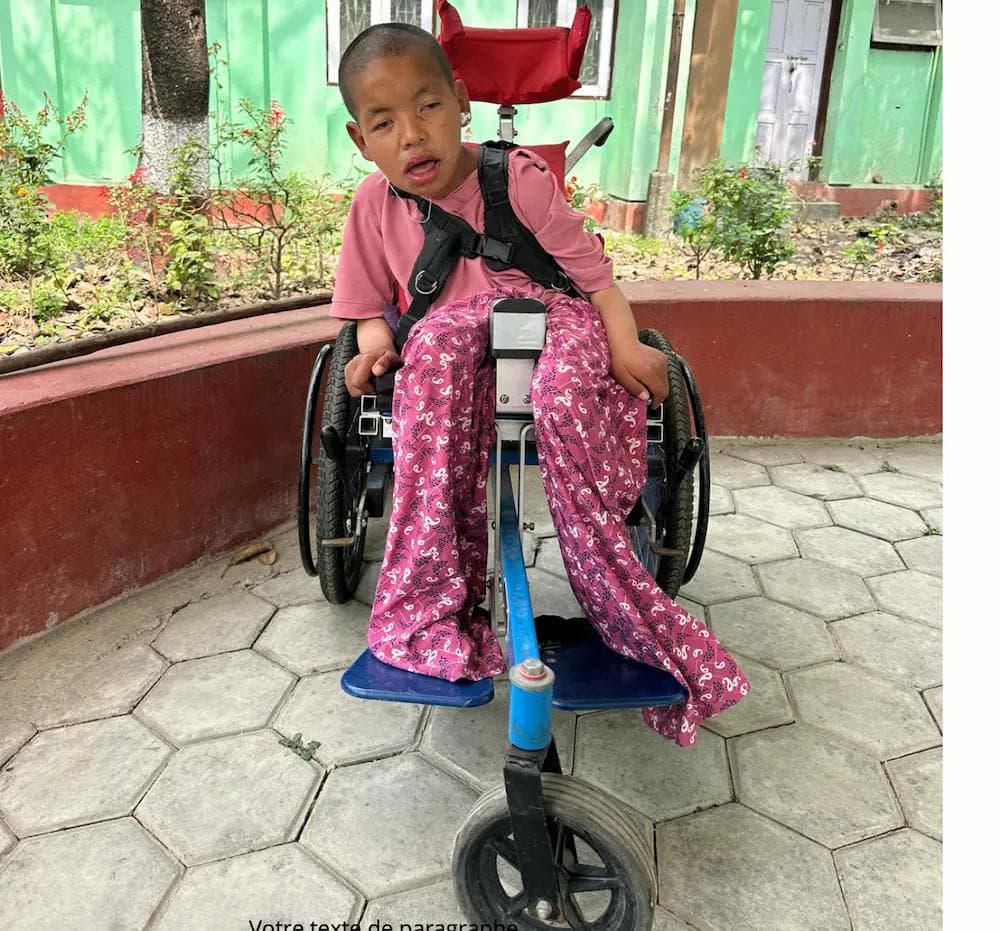
The center has basic resources available. If you'd like to bring extra equipment, such as resistance bands, positioning cushions, or assessment tools, ask the organization before you travel so it goes where it's needed. Either way, you'll build one skill quickly: improvisation. A water bottle becomes a weight, a bench becomes a parallel bar, and a caregiver becomes your most important co-therapist.
How Much Does It Cost to Volunteer in Nepal?
Volunteering in Nepal is affordable compared with many destinations, Please Check our pricing page for more detailed Information
What program fees usually cover
- Airport pickup and drop-off
- Homestay accommodation within walking distance of the center
- Meals, usually two or three a day
- In-country orientation and basic language introduction
- Placement coordination and supervision arrangements
- 24/7 local support from the program team
Additional costs to budget for
- International flights
- Nepal visa fee
- Travel and medical insurance
- Vaccinations and travel health consultation
- Personal spending, weekend travel, and treks
Volunteering Responsibly: Ethics and Scope of Practice
Good intentions aren't enough in healthcare. How you volunteer matters as much as whether you do. These principles protect patients, local professionals, and you.
Choose sustainable impact over short-term fixes
The patients you treat in four weeks matter. But the bigger impact often comes from what stays behind after you leave: a caregiver who knows the exercises, a staff member confident in a new technique, a set of simple printed home program. Plan your placement with that handover in mind.
Practice cultural sensitivity in clinical settings
- Respect patient dignity and privacy. Ask before taking photos, and never share identifiable patient images online.
- Involve the family. Care decisions in Nepal are often made together with relatives.
- Be aware of gender norms. Some patients may prefer a therapist of the same gender. Follow the lead of local staff.
- Make sure consent is informed. Use an interpreter, and check that the patient understands what you're doing and why.
Life in Nepal as a Volunteer
Your placement is the reason you're coming, but life outside the clinic is part of the experience too.
Accommodation and food
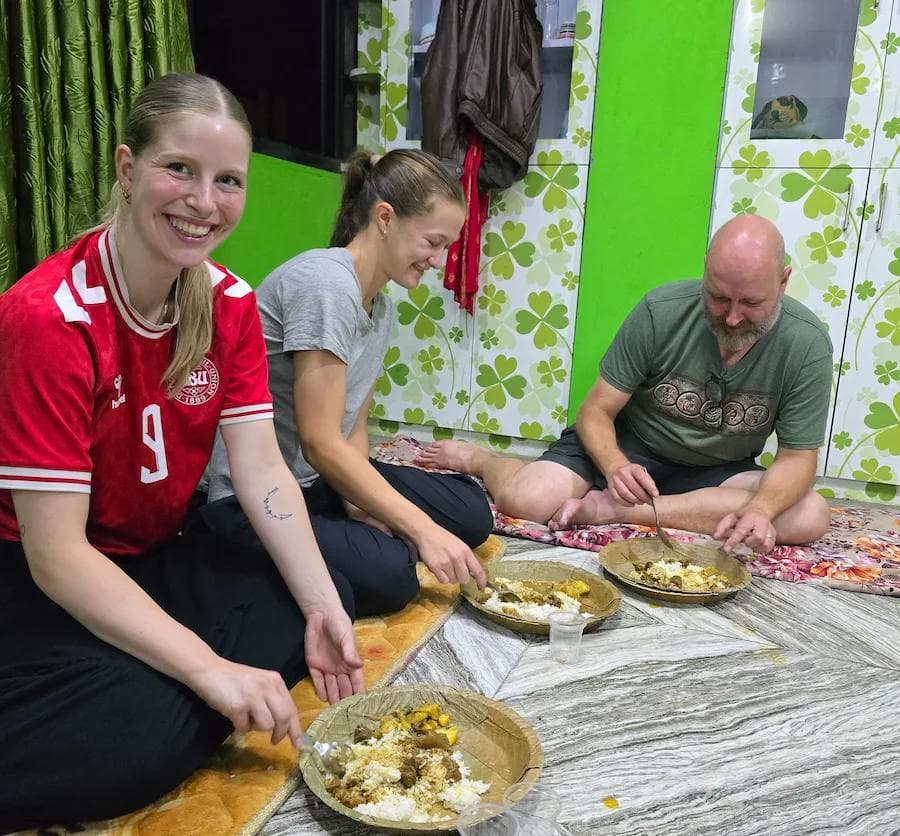
Volunteers stay in a homestay within walking distance of the center, so there's no daily commute. Living with a family gives you a close look at daily Nepali life. Meals are usually dal bhat (lentils, rice, and vegetable curry), and most families are happy to cater for vegetarians.
Weekends and free time
Weekends are yours to explore. Popular options include:
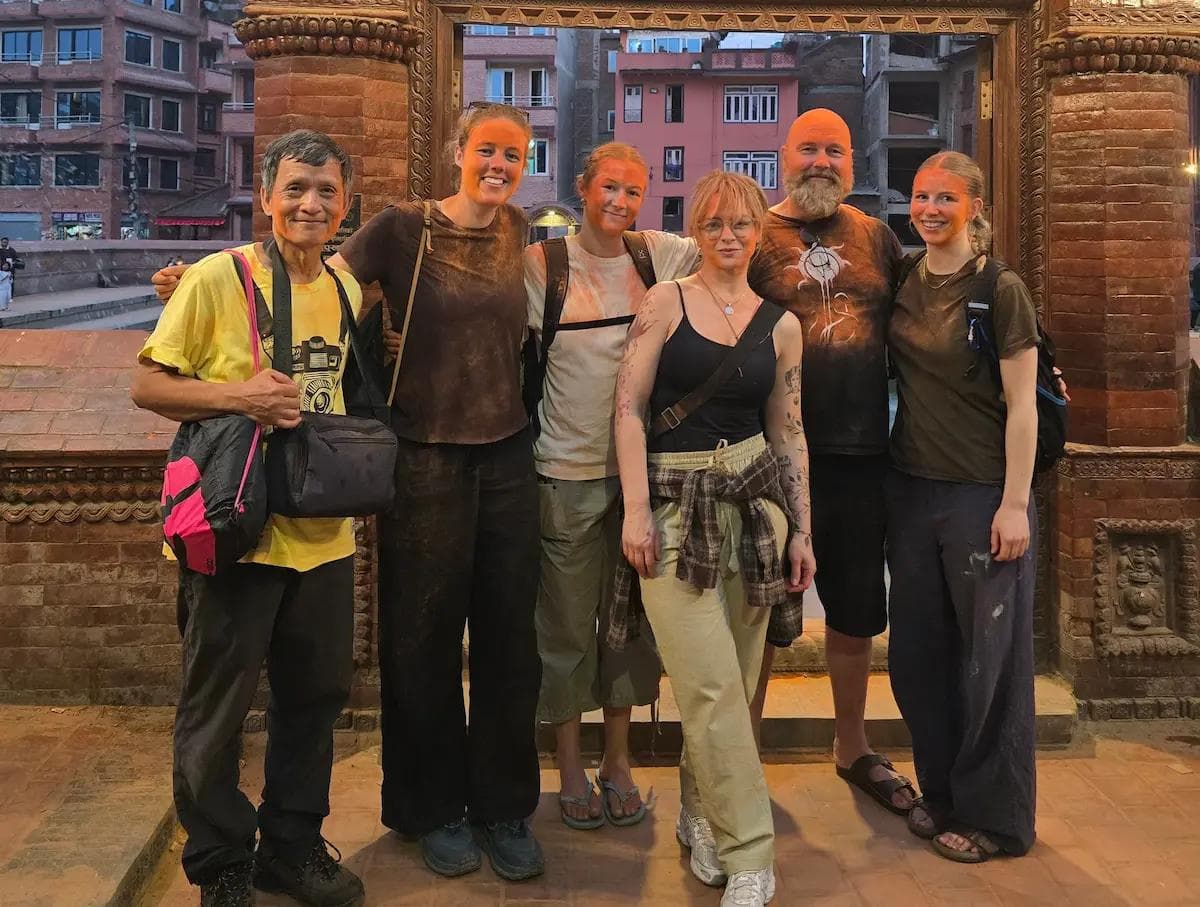
- The UNESCO heritage sites of the Kathmandu Valley, such as Bhaktapur and Patan
- A trip to Pokhara for lakeside views of the Annapurna range
- Wildlife safaris in Chitwan National Park
- Short treks near Kathmandu or Pokhara (browse our short trek itineraries)
Health and safety tips
- Drink only filtered, or bottled water
- Wash your hands often, especially after clinical work
- Carry a basic first-aid kit and any personal medication
- Save your program coordinator's number and your embassy's contact details
- If you trek after your placement, gain altitude gradually and allow rest days for acclimatization
For more, read our guide: is Nepal safe for volunteers?
Best time to volunteer
Clinical placements run all year. For the best weather and trekking afterwards, autumn (September to November) and spring (March to May) are ideal. The monsoon (June to August) brings heavy rain that can slow rural travel and community visits, though clinic-based work carries on as normal. Winter (December to February) is dry and clear, but cold in the mornings and evenings.
How This Experience Benefits Your Career
A placement in Nepal doesn't just look good on a CV. It changes how you practice. Past volunteers often mention these benefits:
- Sharper clinical reasoning. Without advanced equipment or quick referrals, you rely on assessment and hands-on skills.
- Real improvisation skills. You learn to adapt treatment to what's available, a skill that transfers to community and home-based care anywhere.
- Cross-cultural communication. Working through interpreters and across cultures makes you a clearer, more patient communicator.
- A stronger job application. Employers remember candidates who have worked in challenging settings, and you'll have concrete examples for interviews.
- Professional references. A reference from your placement supervisor can support applications for jobs or further study.
Ready to Put Your Skills to Work in Nepal?
Volunteering as a physiotherapist or occupational therapist in Nepal gives you something a textbook can't: real clinical experience in a setting where your skills make a visible difference. You'll sharpen your reasoning, learn to adapt, and work alongside local professionals who will teach you as much as you teach them.
The best placements are clearly scoped and built around long-term benefit for residents and staff. The TravAction Nepal team has been placing volunteers in Nepal since 2004, and we'd love to help you plan yours.
Explore TravAction Nepal's Physiotherapy & OT Volunteer Program or contact our team about dates and availability. You can also email us or message us on WhatsApp at +977 9762425320.